
Introduction
If you run a service truck or manage a fleet in Oregon, you’ve probably asked the same question before investing in graphics: How long does a vehicle wrap last?
For commercial vehicles, a wrap is more than a cosmetic upgrade. It’s a working branding asset that needs to withstand jobsite grime, daily mileage, rain, and seasonal sun while still presenting a professional image. When done right, a wrap delivers long-term marketing value without the downtime and expense of repainting.
The honest answer is that wrap lifespan depends on usage, care, and environment. A lightly driven company car stored indoors will age differently from a service truck parked outside year-round and used five days a week. In this guide, we’ll break down realistic expectations for commercial fleets, what affects durability, and how to extend wrap life in Pacific Northwest conditions.
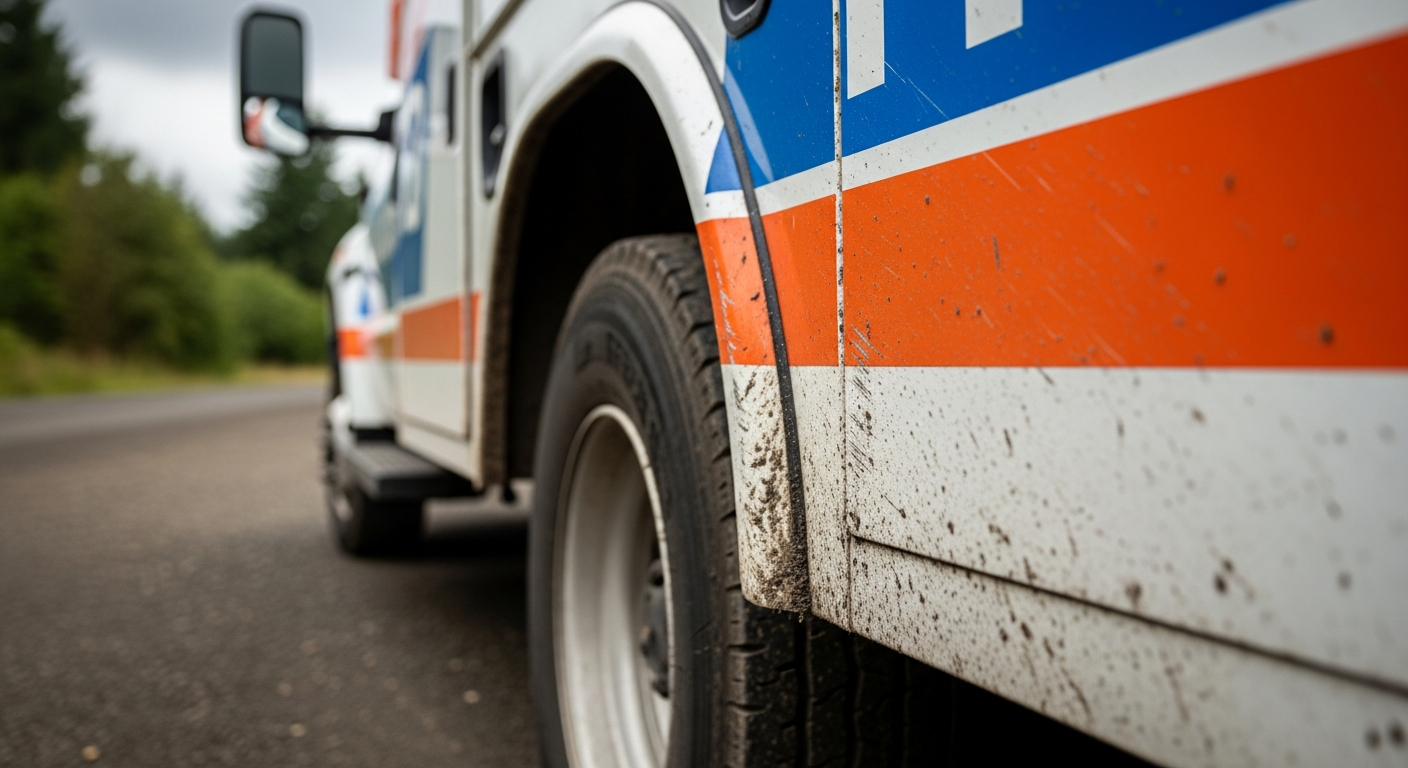
How Long Does a Vehicle Wrap Last
On average, professionally installed commercial wraps last 3 to 7 years. That range reflects real-world fleet conditions rather than ideal storage scenarios.
Where your vehicle lands in that window depends on how it’s driven, maintained, and stored. A garage-kept vehicle may approach the higher end of the range. A daily-use work truck operating in rain, road debris, and construction environments will often fall closer to the middle.
Wraps are engineered for outdoor exposure, but they are not permanent coatings. They are durable branding layers designed to provide several strong years of performance while protecting original paint. Understanding the variables behind that lifespan helps fleet managers plan maintenance and refresh cycles appropriately.
Average Lifespan of a Vehicle Wrap
For commercial vehicles, 3 to 7 years is the realistic performance window when high-quality vinyl film is installed correctly and maintained consistently. That estimate reflects actual field conditions, not ideal showroom scenarios.
Full wraps and partial graphics age differently. A full car wrap covers nearly every painted surface, including high-impact areas such as bumpers and rocker panels. Because more material is exposed to debris and contact, wear often shows sooner in high-traffic zones. Partial graphics like door logos or panel decals may appear to last longer simply because less surface area is exposed.
Work trucks typically see heavier wear than personal vehicles. Service fleets often:
- Accumulate higher mileage
- Park outdoors year-round
- Encounter gravel, road salt, and construction debris
- Experience frequent door and cargo access
These conditions affect wrap durability over time. That does not mean vinyl wraps are fragile. Commercial wrap film is engineered for outdoor exposure and long-term advertising use. Industry research from the Specialty Graphic Imaging Association confirms that modern vinyl film is built to withstand extended environmental exposure. However, extended exposure does not mean permanent performance.
For Oregon fleets, moisture is a consistent factor. Long rain seasons, damp conditions, and tree debris can all impact surface conditions if vehicles are not cleaned regularly. Summer UV exposure also affects horizontal panels over time.
The key takeaway: expect several strong years of performance, not decades. Smart fleet managers plan for refresh cycles rather than permanent installation.
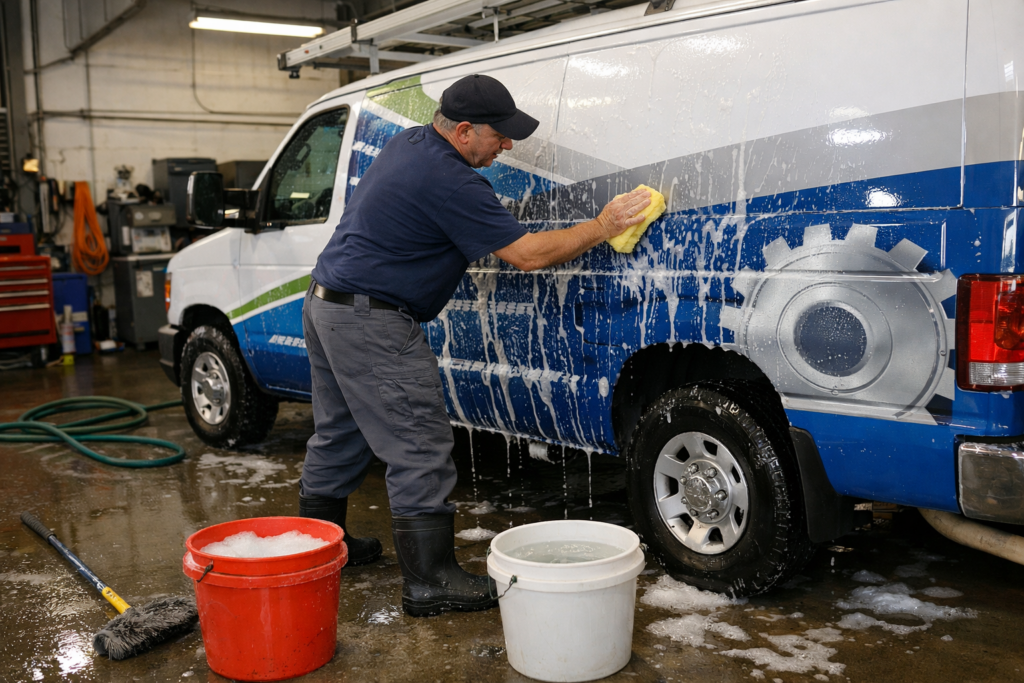
What Affects How Long a Wrap Lasts on a Vehicle
When businesses ask how long a wrap will hold up in real-world conditions, the answer comes down to daily operating exposure.
Driving frequency and mileage play a major role. Fleet trucks logging consistent routes experience wind resistance, road spray, and surface abrasion every day. Highway speeds add stress along seams and edges. Gravel roads introduce small impacts that build up over time. More miles simply mean more environmental exposure.
Weather also affects vinyl wrap longevity. UV radiation gradually breaks down exterior materials. Even in Oregon’s moderate climate, summer sun can fade horizontal panels over several years. Rain itself does not damage vinyl, but moisture combined with dirt buildup along edges can affect adhesion if vehicles are not cleaned regularly.
According to the Federal Highway Administration, prolonged environmental exposure contributes to surface degradation across many exterior materials. Wrap film is engineered for outdoor durability, but it still responds to the same environmental forces that impact paint and trim.
Parking habits matter as well. Vehicles stored indoors or under cover typically maintain color and edge adhesion longer. Trucks parked in direct sun or beneath trees are exposed to sap, bird droppings, and airborne contaminants that should be removed promptly.
In short, wrap durability reflects how the vehicle is used, where it is stored, and how consistently it is maintained.
How Long Does a Vinyl Wrap Last on a Vehicle Used for Work
Usage is the biggest variable in vinyl wrap longevity.
A lightly driven vehicle that’s stored indoors may approach the higher end of the typical lifespan range. A commercial service truck operating daily, parked outdoors, and working on active job sites will often fall closer to the middle.
Work trucks create natural friction points. Ladders resting against panels, toolboxes contacting bedsides, and repeated door access all contribute to gradual surface wear. Lower panels near wheel wells collect road debris and grime. Over time, these factors influence overall appearance.
Frequent cargo access also impacts edges and seams. If dirt accumulates in those areas and is not cleaned out regularly, it can contribute to premature lifting.
For Oregon fleets, extended rain seasons and damp air increase the importance of routine washing. Wrap film is water-resistant, but contaminants combined with moisture can affect surface integrity if left untreated.
The takeaway for fleet managers is simple: wraps are durable branding layers that protect paint and deliver visibility, but they are not permanent coatings. Planning refresh cycles every few years keeps trucks looking sharp and professional.
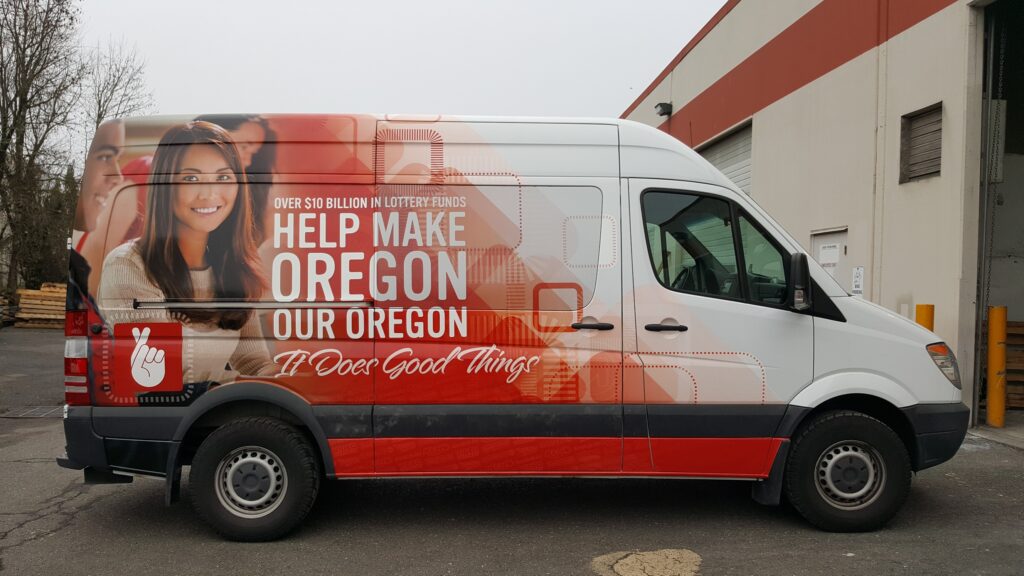
Maintenance Tips That Extend Vehicle Wrap Life Copy here
- Proper washing methods
- Avoiding harsh chemicals
- Regular inspections for edge lifting or damage
Wrap longevity is heavily influenced by care practices.
Hand washing is the safest cleaning method. Use mild automotive soap and soft cloths or sponges. If pressure washing is necessary, avoid directing high pressure at edges or seams and maintain reasonable distance.
Avoid harsh chemicals. Solvents, petroleum-based degreasers, and abrasive cleaners can damage vinyl film. When removing grease or jobsite residue, use wrap-safe cleaning solutions rather than industrial cleaners.
Inspect vehicles regularly. Small areas of edge lifting or bubbling are easier to correct when addressed early. Fleet drivers and managers should periodically walk around vehicles and note any developing issues.
Remove contaminants quickly. Tree sap, bird droppings, and road salt should not sit on the surface for extended periods. Prompt cleaning preserves both appearance and adhesion.
Consistent care does not eliminate wear, but it helps maximize wrap durability and maintain a professional image across Oregon communities.
When It’s Time to Replace or Refresh a Vehicle Wrap Copy here
- Signs of fading or wear
- Rebranding or updating service information
- Natural place to reference vehicle wraps service page
Every wrap has a performance window. Recognizing when it’s time for replacement protects both your branding and your vehicle.
Common signs include fading color, dull finish, visible cracking on horizontal panels, and edge lifting near seams or handles. Localized damage in high-contact areas is normal for working trucks. Widespread adhesion issues usually indicate it’s time for replacement.
Replacement is not always about physical wear. Many fleets refresh graphics when updating logos, contact information, or service offerings. Keeping branding current is just as important as maintaining physical condition.
When it’s time for new graphics, professionally installed vehicle wraps ensure proper surface preparation and clean removal without damaging original paint. Professional installation significantly impacts wrap durability and future removal quality.
Evaluating the condition before failure helps avoid adhesive breakdown and costly repairs.
Final Thoughts for Fleet Owners and Service Trucks
For service trucks and fleet vehicles, wraps are a long-term marketing investment. They generate exposure every mile driven and reinforce brand credibility at jobsites and in neighborhoods.
When installed professionally and maintained consistently, vinyl graphics provide several strong years of visibility while helping protect original paint. Oregon rain, road debris, and daily mileage all influence performance, but reasonable care significantly extends wrap lifespan.
Professional installation matters. Proper surface preparation, high-quality film, and correct application techniques support strong adhesion and clean removal later. Cutting corners during install often leads to premature lifting or uneven wear.
If you’re evaluating your current graphics, planning a refresh, or considering fleet branding for the first time, Pacific Truck Colors can guide you through the process from design to installation.

Let’s keep your fleet looking professional and working hard on Oregon roads.